
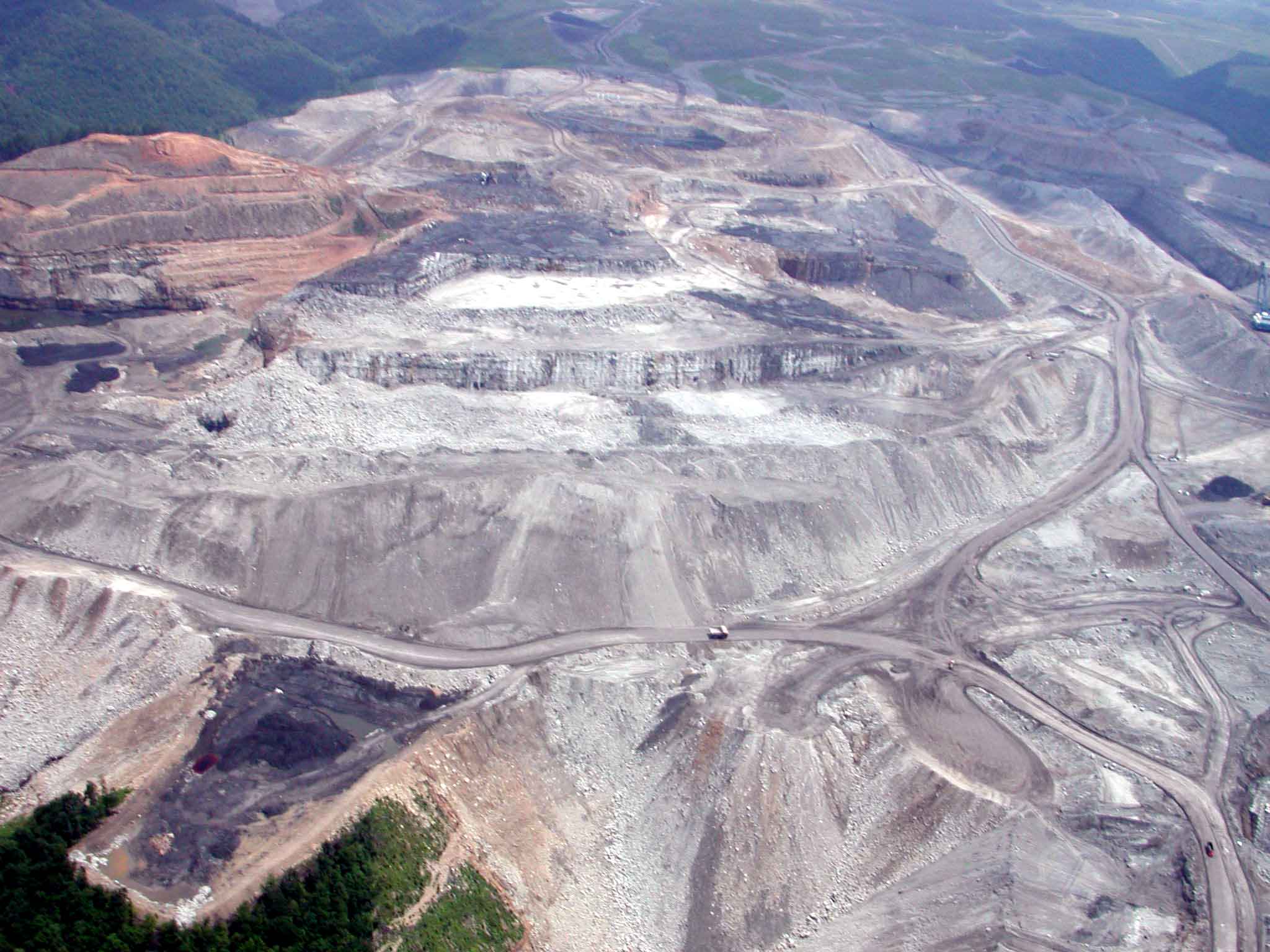
The Cons Of Mountaintop Removal Mining pose a complex set of trade-offs that extend far beyond the immediate blast, rubble, and ore yield. This article explains how hidden costs accumulate over time, creating a financial toll on communities, water supplies, and local governments. By examining economic, environmental, and social dimensions, readers can grasp why the true price tag of mountaintop removal mining is broader than the surface impacts alone.
Understanding the Cons Of Mountaintop Removal Mining: Economic, Environmental, and Social Impacts
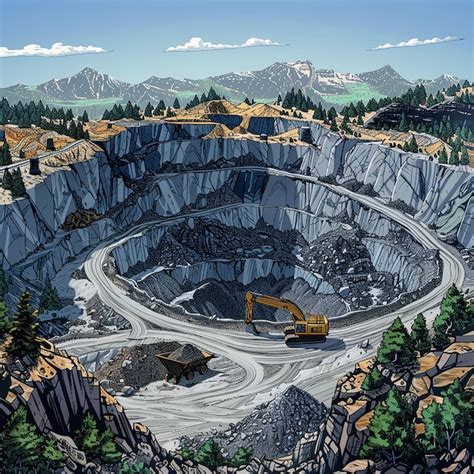
In the short term, mountaintop removal mining may boost extraction efficiency, but the long-term costs often erode the supposed economic gains. Hidden liabilities—such as water treatment, land reclamation, health care expenses, and lost ecosystem services—can dwarf initial profits and shift costs onto taxpayers and nearby residents.
Direct Economic Impacts
Operational costs, reclamation obligations, bonding requirements, and the risk of fines shape the financial landscape for operators and the public sector. When mines are exhausted or forced to abandon sites, cleanup costs transfer to state and local budgets, sometimes long after the mine ceases production.
Environmental Costs that Translate into Financial Liabilities
Valley fills and sedimentation degrade streams, harm aquatic life, and impair water quality. The resulting treatment and monitoring programs impose recurring costs on utilities and communities. Loss of forest cover undermines tourism, recreation, and carbon sequestration, indirectly affecting local revenue streams and resilience to climate shocks.
Key Points
- Long-term cleanup obligations and water treatment commitments persist long after mining ends, creating ongoing expenses for public agencies and ratepayers.
- Sediment and water quality degradation require expensive monitoring, filtration, and ecosystem restoration projects.
- Damage to infrastructure from blasting and subsidence increases maintenance costs for roads and bridges used by residents and businesses.
- Economic diversification erodes as communities become dependent on a single commodity, heightening vulnerability to price swings and mine closures.
- Property values and local revenue can be dampened by environmental stigma and reduced tourism, affecting public budgets and investment confidence.
Hidden Costs and Financial Toll Over Time
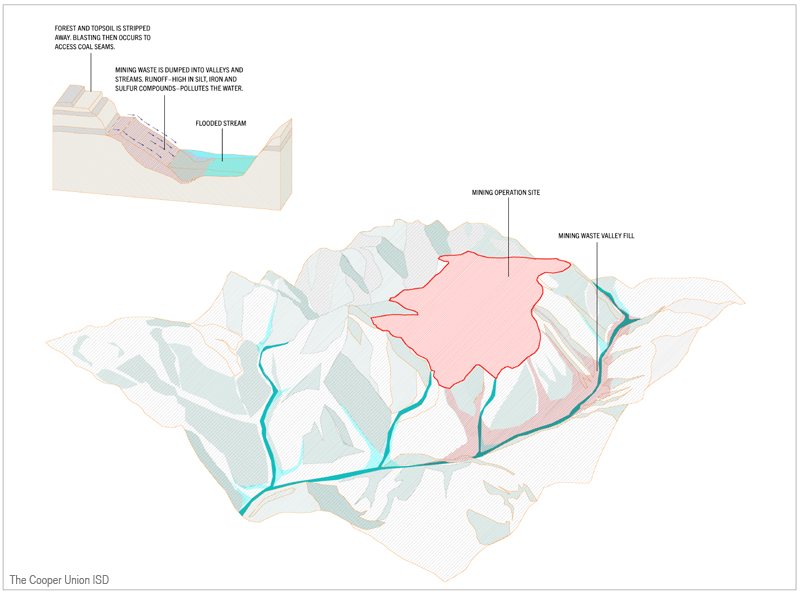
The financial toll of mountaintop removal mining extends beyond the mine gates. Increased burden on water utilities, higher health care costs for communities near blasting sites, and the opportunity costs of foregone development projects all contribute to a heavier regional balance sheet. Public budgets may face pressure as bonds get strained and residents seek compensation for degraded land and water resources, making the industry’s apparent short-term gains look small in comparison to long-run liabilities.
Impact on Public Health and Local Infrastructure
Blasting can influence air quality and dust levels, with potential increases in respiratory issues. Road networks and culverts also suffer from heavy heavy traffic and subsidence, raising maintenance budgets for local governments and shifting resources away from schools and services.
Regulatory and Litigation Risk
Regulatory oversight, cleanup mandates, and potential lawsuits add layers of risk and cost for operators and governments. Escalating compliance requirements can erode profit margins while shifting the financial burden to taxpayers and ratepayers who must fund monitoring, enforcement, and remediation efforts.
Mitigation, Policy Options, and Alternatives
Policy tools like stronger reclamation standards, independent monitoring, and a transition plan to diversify local economies can help reduce the financial toll. Community-led monitoring, transparent bonding, and early planning for post‑mining land use are essential to minimize long-run costs. Prioritizing cleaner energy pathways and economic diversification can also lower symmetrical risks for coal-reliant communities.
What are the most significant hidden costs associated with mountaintop removal mining?
+Key hidden costs include long-term water treatment and cleanup, landscape restoration and reforestation, health-care expenses related to pollution exposure, infrastructure repair, and the opportunity costs of not developing more diverse local economies.
How does mountaintop removal impact local water supplies and health expenditures?
+Sedimentation and contaminated runoff can raise treatment costs for drinking water and increase health care needs for communities, leading to higher utility rates and public health expenditures over time.
Are there effective policies to reduce the financial toll of these operations?
+Policies such as stricter bonding for reclamation, independent post‑mining land-use plans, robust water quality standards, and incentives for economic diversification can reduce long-term liabilities and protect public budgets.
What alternative strategies can minimize economic damages while meeting energy needs?
+Investing in diversified local economies, transitioning to cleaner energy sources, and adopting responsible mining practices with strong reclamation can lower the total cost of energy and reduce the fiscal burden on communities.